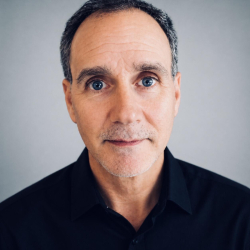

Hi. I am Dwight Bedsaul and WordPress has spent nearly two decades dominating the web, but the platform developers build on today has little resemblance to the one that launched in 2003. The shift is no longer about whether WordPress will remain relevant. It is about how developers adapt to a rapidly changing ecosystem that prioritizes performance, accessibility, and modern architecture. If you write code for WordPress today, you are no longer just a theme builder or a plugin troubleshooter. You are an engineer navigating a platform that bridges traditional PHP workflows with modern JavaScript frameworks, decoupled APIs, and strict performance standards. Understanding where this is heading is the difference between staying competitive and falling behind.
How the Platform Has Shifted
The most visible change has been the transition from classic templates to full-site editing and block-based development. Gutenberg is no longer an experimental feature. It is the foundation of how content is structured, styled, and delivered. This shift has rewritten the developer workflow. Instead of relying on rigid page templates and custom metaboxes, we now work with reusable blocks, theme.json configuration files, and a component-driven mindset. PHP remains essential, but JavaScript and modern CSS have taken center stage in how interfaces are constructed. Developers who treat WordPress as a static PHP system will struggle. Those who embrace block architecture, understand the REST and GraphQL APIs, and learn how to extend the editor safely will find themselves in high demand.
Performance and Standards as the New Baseline
Speed is no longer a nice-to-have. It is a ranking factor, a conversion driver, and a strict requirement from both users and hosting providers. Google’s Core Web Vitals have forced developers to abandon heavy page builders, unoptimized image pipelines, and script-heavy dependencies. The future belongs to those who write lean HTML, defer non-critical JavaScript, and treat CSS as a carefully managed system rather than a dumping ground for overrides. Accessibility is equally non-negotiable. Semantic markup, proper ARIA attributes, and keyboard navigation are now baseline expectations, not afterthoughts. Developers who prioritize clean, standards-compliant code will consistently outperform those relying on bloated frameworks. The web is maturing, and WordPress development must mature with it.
The Rise of Headless and Decoupled Architecture
Headless WordPress is moving from niche experiment to mainstream option for enterprise, media, and high-traffic sites. By separating the content management layer from the presentation layer, developers can pair WordPress with modern front-end frameworks, static site generators, or edge-rendered architectures. This does not mean traditional WordPress is dying. It means the platform is splitting into two distinct paths. One path serves clients who want an all-in-one, editor-friendly CMS with proven hosting and plugin ecosystems. The other path serves teams that need extreme performance, custom routing, and multi-channel content delivery. The smartest developers are learning both. Understanding how to secure, optimize, and expose WordPress via APIs is just as valuable as knowing how to build a performant block theme.
AI, Automation, and the Changing Developer Workflow
Artificial intelligence and automation tools are rewriting how we write, debug, and deploy code. AI can generate boilerplate, suggest refactors, draft documentation, and even catch security vulnerabilities before they ship. This is not a threat to developers who understand fundamentals. It is a multiplier for them. The real value no longer lives in memorizing syntax or writing repetitive functions. It lives in architecture decisions, security hardening, performance tuning, and translating business requirements into maintainable systems. Developers who treat AI as a junior assistant rather than a replacement will move faster. Those who outsource critical thinking to automated tools will produce fragile, unmaintainable code. The future belongs to engineers who can orchestrate tools while keeping a firm grip on system design.
What the Next Generation of WordPress Professionals Will Look Like
The developers who thrive in the next decade will be deeply comfortable with HTML, CSS, and modern JavaScript, while maintaining a strong grasp of PHP, database optimization, and server-side caching. They will understand how to build custom block patterns without bloating the editor, how to secure REST endpoints, and how to measure real-user performance instead of relying on synthetic benchmarks. They will specialize. Some will focus on headless architectures and edge computing. Others will double down on accessibility, design systems, or enterprise WordPress security. What unites them is a refusal to cut corners. They know that short-term hacks create long-term debt, and that clean, documented, standards-compliant code is the only thing that scales.
How I’m Approaching What Comes Next
I am doubling down on the fundamentals that have always mattered. I write semantic HTML first. I treat CSS as a design system. I optimize every asset and audit every script before it touches production. I build WordPress sites that respect the editor, perform under real-world conditions, and remain maintainable years after launch. At the same time, I am actively experimenting with decoupled architectures, modern build pipelines, and AI-assisted workflows that actually improve quality instead of masking technical debt. If you are looking for a developer who understands where WordPress is heading and knows how to build for it, I would love to talk. The platform is evolving, but the core principles of good engineering have not changed. They have just become more visible.